Can Foreigners Buy Property in Brazil?
The short answer is yes, and with surprisingly few restrictions. Brazil has one of the most open real estate markets in Latin America for foreign investors. You don't need residency, you don't need a visa, and you don't even need to visit the country to complete a purchase (though we strongly recommend it).
Foreign buyers have virtually the same rights as Brazilian citizens when it comes to urban residential property. You can own the property outright, in your own name, with full legal title registered at the local cartório (notary office).
The Few Restrictions That Do Exist
While the market is open, there are some limitations to be aware of:
- Rural land near borders: Properties larger than certain sizes (typically 50+ hectares) within 150km of international borders require Congressional approval. This doesn't affect urban residential buyers.
- Some coastal land restrictions: Beachfront land classified as "federal maritime territory" has special rules. However, this rarely applies to apartments in residential buildings, which is what most foreign investors purchase.
- Reciprocity rules: Brazil used to require reciprocity (if Brazil couldn't buy in your country, you couldn't buy here), but this is largely unenforced in practice.
Bottom line: If you're buying an apartment or house in a Florianópolis neighborhood like Jurerê Internacional, Praia Brava, or Canasvieiras, none of these restrictions apply. The process is straightforward and legally secure.
The key document you'll need is a CPF (Cadastro de Pessoas Físicas) - Brazil's tax identification number. We'll cover how to get one in the legal process section below.
Why Florianópolis?
Before diving into the how, let's address the why. Florianópolis has emerged as one of South America's most compelling real estate markets for international investors, combining lifestyle appeal with strong fundamentals.
The Numbers
- 10+ million tourists annually: Florianópolis receives more tourists per capita than any other Brazilian city, creating massive demand for short-term rentals.
- Quality of life #1: Ranked Brazil's highest quality of life city multiple times by UN metrics, combining safety, nature, and infrastructure.
- 30-50% appreciation: Many neighborhoods have seen 30-50% property value increases over 5-year periods, particularly in areas undergoing infrastructure development.
- 8-12% rental yields: Well-managed Airbnb properties in high-demand areas can generate 8-12% annual returns during peak seasons.
- Tech hub growth: Home to over 1,000 tech companies and a growing digital nomad community, creating year-round rental demand beyond tourism.
The Lifestyle Factor
Beyond the numbers, Florianópolis offers something rare: a true beach lifestyle that feels European in quality but South American in warmth. The island has 42 beaches, each with its own character - from the glamorous beach clubs of Jurerê Internacional to the surf breaks of Joaquina.
The city attracts a sophisticated international crowd: Brazilian executives with second homes, European retirees seeking sun, North American digital nomads, and South American families on extended vacations. This diversity creates a cosmopolitan atmosphere unusual for a beach destination.
Comparison to Other Markets
International buyers often compare Florianópolis to destinations like Bali (Indonesia), Tulum (Mexico), and the Algarve (Portugal). Here's how it stacks up:
- vs. Bali: Similar beach lifestyle and digital nomad appeal, but stronger property rights, easier access from Americas/Europe, and no visa complications for ownership.
- vs. Tulum: Better infrastructure, more established real estate market, comparable appreciation potential, safer investment climate.
- vs. Algarve: Lower entry prices (30-50% cheaper per m²), higher rental yields, similar quality of beaches and lifestyle, easier year-round climate.
Investor insight: Florianópolis is at an inflection point. Infrastructure projects like the new highway to the north of the island and planned airport expansion will likely accelerate appreciation, but entry prices are still accessible compared to established international markets.
Legal Process Step by Step
Buying property in Brazil as a foreigner follows a clear legal process. While it involves several steps, each is straightforward when you understand what's required.
Get Your CPF
The CPF (Cadastro de Pessoas Físicas) is Brazil's tax ID number, required for all real estate transactions. Foreigners can obtain a CPF at Brazilian consulates abroad or online through the Federal Revenue website. You'll need your passport and proof of address. The process is free and typically takes 1-2 weeks. Apply for this before you start serious property hunting.
Open a Brazilian Bank Account (Optional)
While not mandatory, having a Brazilian bank account simplifies payments and ongoing expenses. Some banks (like Banco do Brasil and Caixa) offer accounts for non-residents with a CPF. Alternatively, you can wire funds directly to the developer or seller's account. Digital banks like Wise can also facilitate international transfers with lower fees.
Choose Your Property
Work with a local real estate professional who understands the foreign buyer process. For new developments, visit the sales stand and review the memorial descritivo (project specifications). For resale properties, request documentation including the property's registration (matrícula), condominium status, and IPTU records. Due diligence is critical - verify the developer's track record and the property's legal status.
Sign Purchase Agreement
The "contrato de compra e venda" or "compromisso de compra e venda" is the purchase contract. For off-plan properties, this happens early in construction. For ready properties, it precedes the final transfer. The contract should detail price, payment schedule, delivery date, specifications, and penalties. Have a lawyer review it before signing - this is not the moment to save money on legal advice.
Payment
International wire transfer is the standard method. You can use traditional bank SWIFT transfers (3-5 business days, higher fees) or services like Wise (1-3 days, lower fees). The transfer must be declared to Brazil's Central Bank - your bank will handle this. Keep all documentation of the transfer for tax purposes. Many developers accept payment in installments for off-plan properties.
Registration at Cartório
The cartório (notary office) is where property ownership is officially recorded. The seller and buyer (or their legal representatives with power of attorney) appear at the cartório to sign the escritura (deed). The notary verifies identities, confirms payment, and registers the transfer. You can grant power of attorney to your lawyer if you can't be present. Registration fees are approximately 1% of property value.
Get Your Escritura
The escritura is your proof of ownership - a notarized deed that legally transfers the property to your name. Once registered at the cartório, you receive a certified copy. This document is what proves you own the property. Keep the original in a safe place and consider having your lawyer retain a copy as well. Congratulations - you're now a property owner in Brazil!
Need Help Navigating the Process?
Our team specializes in helping international buyers through every step, from CPF application to key delivery.
Get Expert GuidanceCosts Breakdown
Understanding the full cost structure is crucial for foreign buyers. Beyond the property price, several taxes and fees apply. Here's a comprehensive breakdown:
Purchase Costs
| Cost | Rate | Notes | Example on $200k Property |
|---|---|---|---|
| ITBI (Property Transfer Tax) | 2% | Paid to municipality at purchase | $4,000 |
| Registration Fees | ~1% | Cartório fees for deed registration | $2,000 |
| Lawyer Fees | 1-2% | Optional but strongly recommended | $2,000-$4,000 |
| Real Estate Agent | 3-6% | Typically paid by developer/seller on new properties | Usually $0 for buyer |
| Total Purchase Costs | ~4-5% | Beyond property price | $8,000-$10,000 |
Ongoing Annual Costs
| Cost | Typical Rate | Notes |
|---|---|---|
| IPTU (Property Tax) | 0.6-1% annually | Paid to municipality, varies by location and size |
| Condomínio Fees | $50-300/month | Covers building maintenance, security, amenities. Higher in luxury buildings with extensive facilities. |
| Utilities (if renting out) | Variable | Electricity, water, internet typically passed to tenant or included in Airbnb rate |
| Property Management (if renting) | 20-30% of rental income | For full-service Airbnb management including cleaning, guest communication, maintenance |
Cost-saving tip: ITBI is calculated on the transaction value or the official municipal valuation (VVU), whichever is higher. The VVU is often lower than market prices, potentially reducing your ITBI. However, this varies by municipality and property type.
Hidden Costs to Budget For
- Furniture and appliances: Off-plan properties deliver unfurnished. Budget $15,000-$30,000 for quality furnishings suitable for rentals.
- Currency exchange: Wire transfers involve exchange rate spreads. Using specialized services like Wise can save 1-3% versus traditional banks.
- Travel costs: Plan for at least 2-3 trips to Brazil during the purchase process (property selection, contract signing, delivery).
- Power of attorney: If you can't be present for signing, you'll need a notarized power of attorney, which requires apostille certification (~$100-300).
Financing Options
Financing real estate in Brazil as a non-resident is challenging but not impossible. Traditional bank mortgages are essentially unavailable to foreigners, but alternative financing structures exist.
Cash Purchase (Most Common)
The majority of foreign buyers purchase with cash, wired in installments. Even "cash" purchases for off-plan properties typically involve a payment schedule:
- Down payment: 20-40% at contract signing
- Construction installments: Monthly or milestone-based payments over 24-36 months
- Final payment: 30-50% at delivery/key handover
This structure spreads the cost over the construction period, making it more manageable than a lump sum payment.
SPE (Sociedade de Propósito Específico)
SPE is a unique Brazilian financing structure that's become popular with foreign investors. It's not a loan - it's a form of co-ownership during construction:
How SPE works: Instead of buying a finished unit from a developer, you become a shareholder in the SPE company that's building the project. You pay construction costs in installments (typically over 3-5 years), adjusted monthly by the CUB (construction cost index). At completion, the property is transferred to your individual ownership.
Benefits of SPE:
- Cost pricing: You pay actual construction costs without developer markup, typically 15-30% less than market price.
- Extended payment terms: Installments spread over the full construction period, no lump sum required.
- No financing costs: No interest, just CUB adjustment (typically 4-6% annually, tracking construction inflation).
- Available to foreigners: Unlike mortgages, SPE is accessible to non-residents with just a CPF.
Considerations:
- Payments adjust with CUB, so final cost isn't fixed in dollar terms
- Construction delays extend your payment period
- You're an investor/owner from day one, not a buyer of a finished product
- Best for buyers who believe in the long-term appreciation and want maximum affordability
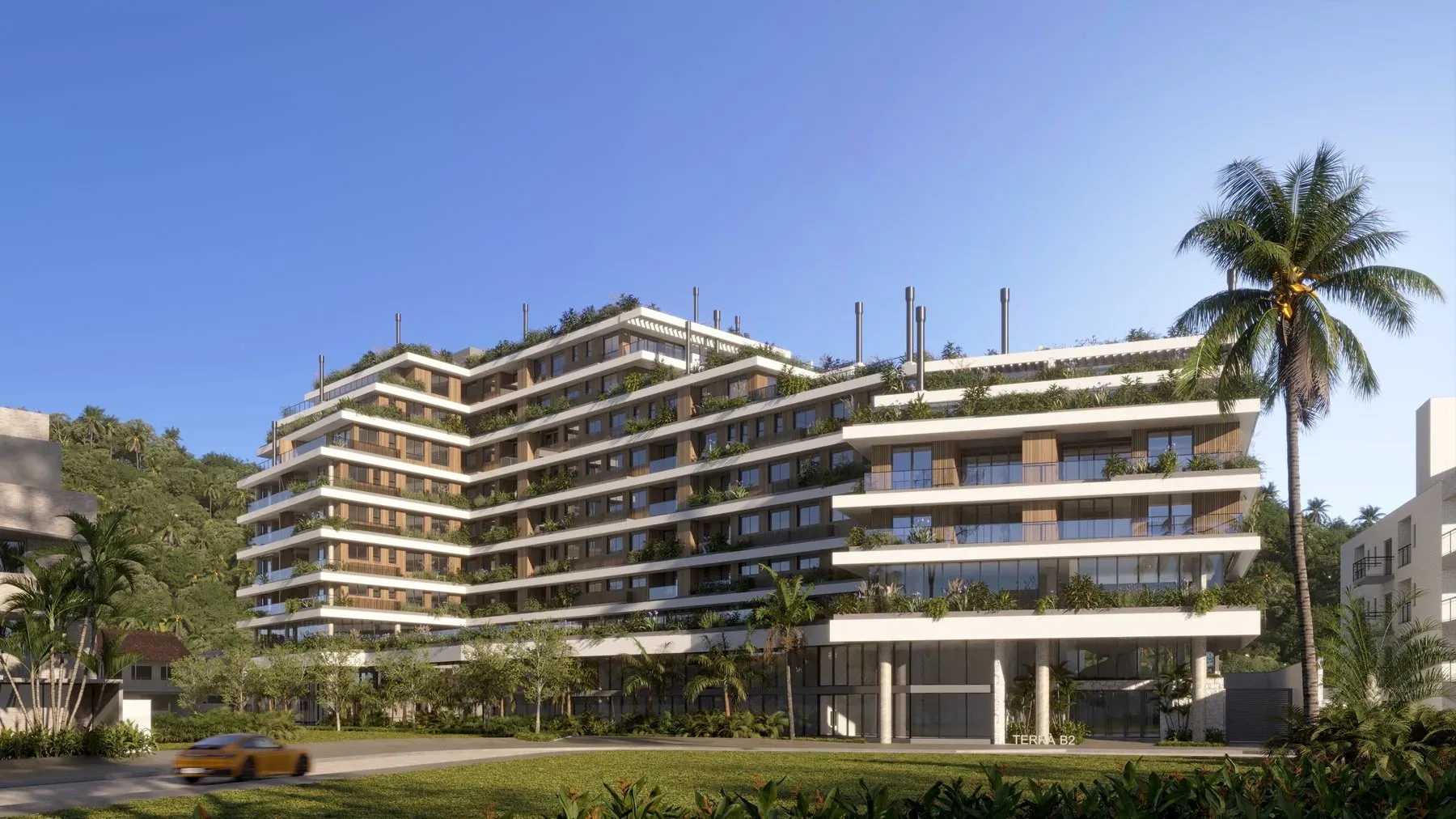
Many of the properties we offer use SPE structures. See our Terrá Jurerê project for a current example of SPE financing available to international buyers.
Developer Financing (Rare)
Some developers offer direct financing, essentially acting as the lender. Terms vary but typically involve:
- Higher down payment: 40-50%
- Shorter terms: 12-24 months
- Interest rates: 8-12% annually
- Stricter qualification criteria for foreigners
Home Country Financing
Some foreign buyers leverage financing in their home countries:
- Home equity loans: Use your primary residence as collateral
- Portfolio loans: Leverage investment portfolios for lower interest rates
- Private lending: Family loans or private lenders familiar with international real estate
These options require strong credit and assets in your home country but can offer better terms than anything available in Brazil.
Explore SPE Opportunities
We specialize in SPE projects that offer foreign buyers cost-price entry with flexible payment terms.
Learn About SPE ProjectsCommon Mistakes Foreigners Make
Having worked with hundreds of international buyers, we've seen patterns in what goes wrong. Here are the most common mistakes and how to avoid them:
1. Not Verifying Developer Reputation
Brazil's real estate market includes both established, trustworthy developers and less reliable operators. Unlike markets with strong consumer protections, Brazilian law offers limited recourse if a developer fails to deliver.
How to avoid: Research the developer's track record extensively. Ask for references from previous buyers, particularly foreigners. Visit completed projects by the same developer. Check for complaints with consumer protection agencies (Procon). Never rely solely on glossy marketing materials.
2. Skipping Legal Review
Some foreign buyers, trying to save money or accelerate the process, skip hiring a lawyer. This is penny-wise, pound-foolish.
How to avoid: Budget 1-2% for legal fees from the start. Hire a lawyer who specializes in real estate and has experience with foreign buyers. They should review the property's matrícula (registration), verify no liens or encumbrances exist, explain the contract in your language, and represent you at closing.
3. Wrong Neighborhood for Investment Goals
Florianópolis has distinct neighborhoods with different profiles. What works for retirement living doesn't work for Airbnb rentals. What's hot for summer tourism is dead in winter.
How to avoid: Be crystal clear on your goals. Want maximum rental income? Focus on tourist hotspots like Canasvieiras or near-beach properties in Ingleses. Want year-round occupancy? Consider areas near universities or tech hubs like Lagoa da Conceição. Want luxury lifestyle? Jurerê Internacional is the only choice. Want appreciation? Follow infrastructure projects like the new highway opening up northern beaches.
4. Not Understanding CUB Adjustment
Many SPE and off-plan contracts adjust prices according to the CUB (Custo Unitário Básico), Brazil's construction cost index. Foreign buyers sometimes don't realize this means their final cost isn't fixed in dollar terms.
How to avoid: Understand that CUB adjustment is standard and protects both developer and buyer from construction cost inflation. Historically, CUB rises 4-6% annually. Factor this into your budget. If the dollar strengthens against the real during construction, CUB adjustment may be offset by favorable exchange rates. If it weakens, your dollar cost increases.
5. Not Getting CPF Early Enough
The CPF application process takes 1-2 weeks minimum, sometimes longer if applied from abroad. Many buyers find a perfect property and then discover they can't move forward without a CPF.
How to avoid: Apply for your CPF as soon as you're seriously considering buying in Brazil, even before property hunting. The application is free and doesn't commit you to anything. Having your CPF ready means you can act quickly when you find the right property.
6. Ignoring Seasonality for Airbnb
Florianópolis has extreme seasonality. December-February is peak season with very high occupancy and rates. June-August is low season with much lower demand. Annual projections that don't account for this are misleading.
How to avoid: Be realistic about occupancy. Even in the best locations, annual occupancy of 60-70% is more realistic than the 85%+ some property managers project. Understand that most of your income comes from 4-5 peak months. Properties in neighborhoods with year-round demand (near universities, tech hubs) have steadier income but lower peak rates.
7. Underestimating Condominium Fees
Luxury buildings with extensive amenities (multiple pools, gyms, saunas, concierge) have proportionally high condominium fees - sometimes $200-300/month. These eat into rental returns.
How to avoid: Ask about estimated condominium fees before buying. Verify this includes all common area costs. Factor monthly fees into your return calculations. Sometimes a slightly more expensive property with lower fees offers better net returns than a cheaper unit with high fees.
Best Neighborhoods for Foreign Investors
Florianópolis Island has distinct neighborhoods, each with its own character, price point, and investment profile. Here's a breakdown of the top areas for international buyers:
| Neighborhood | $/m² | Profile | Best For | ROI Potential |
|---|---|---|---|---|
| Jurerê Internacional | $3,000-5,000 | Luxury beach clubs, high-end dining, upscale living | Luxury lifestyle, high-net-worth renters, status | 6-8% rental + strong appreciation |
| Praia Brava | $2,200-3,500 | Beautiful beach, emerging luxury, surf culture | Lifestyle + investment balance, nature lovers | 8-10% rental + high appreciation potential |
| Canasvieiras | $1,800-2,800 | Tourist hub, family-friendly, established infrastructure | Maximum rental income, family vacations | 10-12% rental + moderate appreciation |
| Ingleses | $1,600-2,400 | Long beach, mix of tourism and residential, accessible | Year-round rental demand, affordability | 8-10% rental + good appreciation |
| Campeche | $2,000-3,200 | Bohemian vibe, beautiful beach, protected area | Lifestyle buyers, eco-conscious, long-term appreciation | 6-8% rental + strong appreciation (limited supply) |
Detailed Neighborhood Profiles
Jurerê Internacional
The crown jewel of Florianópolis real estate, Jurerê Internacional is often compared to Miami Beach or Saint-Tropez. This is where Brazil's elite come to summer, with beach clubs like Taikô and Il Belvedere setting the scene. Properties here command premium prices but attract premium tenants willing to pay $500-800/night in high season.
Investment case: Lower rental yields (6-8%) but strongest appreciation potential and most stable market. International buyers appreciate the infrastructure, security, and prestige. Not ideal for pure cash flow investors but excellent for lifestyle + long-term appreciation.
Praia Brava
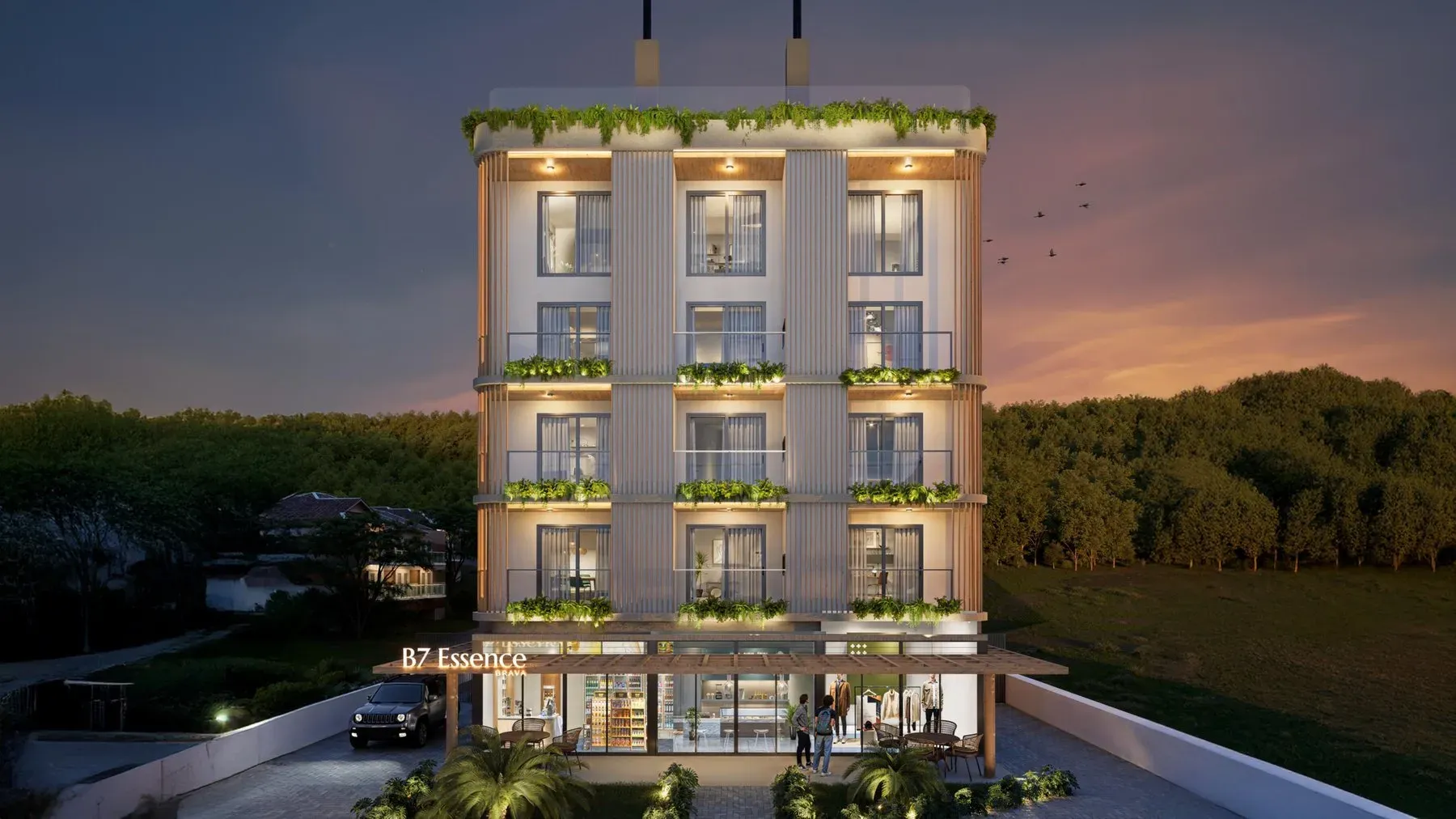
Florianópolis's next luxury frontier. Praia Brava has one of the island's most beautiful beaches, surrounded by preserved Atlantic forest. New luxury developments like B7 Essence are bringing high-end supply to match the stunning location.
Investment case: Sweet spot of lifestyle and returns. Still more affordable than Jurerê, but appreciation is accelerating as infrastructure improves. Strong rental demand from travelers wanting beauty without Jurerê's crowds. High appreciation potential as the area develops.
Canasvieiras
The workhorse of Florianópolis vacation rentals. Canasvieiras has calm waters perfect for families, extensive beachfront infrastructure, and the highest concentration of vacation rental supply on the island. Argentine tourists particularly favor this area.
Investment case: If your goal is rental income, this is your top choice. Occupancy rates can reach 80%+ in peak season, and the long beach season (November-March) maximizes rental days. Appreciation is moderate but stable. This is buy-to-rent territory, not buy-to-own lifestyle.
Ingleses
A 4.7km beach makes Ingleses one of the island's most spacious, and it's one of the few areas with year-round economic activity beyond tourism. Mix of local residents, tourists, and increasingly, remote workers. More affordable than Jurerê or Praia Brava, making it accessible for first-time investors.
Investment case: Good balance of affordability, rental potential, and appreciation. Year-round demand means steadier occupancy than purely seasonal areas. New infrastructure (shopping centers, highway improvements) driving growth. Excellent for investors who want cash flow with less volatility.
Campeche
Campeche has a unique bohemian-eco vibe that attracts a specific buyer: environmentally conscious, seeking authenticity over luxury. The beach is gorgeous, and much of the surrounding area is protected, limiting future supply.
Investment case: Lower rental yields but potentially the strongest long-term appreciation due to limited supply. As other areas develop, Campeche's preserved character becomes more valuable. Best for patient investors who value lifestyle and believe in long-term scarcity value.
Frequently Asked Questions
Yes, foreigners can buy property in Brazil with almost no restrictions. You don't need residency or a visa. The only limitations are: rural land larger than certain sizes near borders, and some coastal land (which doesn't apply to apartments). For urban residential properties in Florianópolis, foreigners have the same rights as Brazilian citizens.
CPF (Cadastro de Pessoas Físicas) is Brazil's tax identification number, required for all real estate transactions. Foreigners can obtain a CPF at Brazilian consulates abroad or online through the Brazilian Federal Revenue website. The process is free and typically takes 1-2 weeks. You'll need your passport and proof of address.
The main tax is ITBI (property transfer tax) at 2% of the property value in Florianópolis. Additional costs include registration fees (~1% of property value) and optional lawyer fees (1-2%). Ongoing costs include annual IPTU (property tax, typically 0.6-1% of value) and monthly condominium fees.
Traditional bank mortgages are very difficult for non-residents. However, many off-plan developments offer SPE (Sociedade de Propósito Específico) payment plans that allow installments during construction - typically 20-30% down payment, then monthly payments until delivery, with the remaining 50% due on completion. This is the most common financing method for foreign buyers.
SPE (Special Purpose Entity) is a business structure where buyers become co-owners of the development company during construction. It offers two major benefits: buying at cost price (without developer markup) and flexible payment plans over 3-5 years. Properties are sold at construction cost with transparent CUB (construction index) adjustments.
The most common methods are: international wire transfer via SWIFT (higher fees, 3-5 business days), Wise (formerly TransferWise, lower fees, 1-3 days), or cryptocurrency exchanges. For real estate purchases, transfers must be declared to Brazil's Central Bank. A Brazilian bank account helps but isn't mandatory - you can wire directly to the developer's account.
Yes, short-term rentals are legal in Florianópolis and very popular with foreign investors. However, check your specific condominium rules as some buildings restrict Airbnb. High season (December-March) can generate 8-12% annual returns. You'll need a CPF to register as a host, and income is subject to Brazilian taxes (15-27.5% depending on bracket), with deductions for expenses.
While not legally required, hiring a Brazilian real estate lawyer is highly recommended for foreign buyers. Lawyers verify the property's legal status, check for liens or encumbrances, review contracts, assist with CPF and documentation, and represent you at the notary (cartório). Fees are typically 1-2% of property value - a small price for peace of mind on a six-figure investment.
Ready to Invest in Florianópolis?
Our team specializes in helping international buyers navigate the Brazilian real estate market with confidence. From property selection to legal support to property management, we're with you every step.
Schedule a Consultation